 (+1) 929 445 2376




Description
Ornate Box Turtle Babies for Sale
Overview
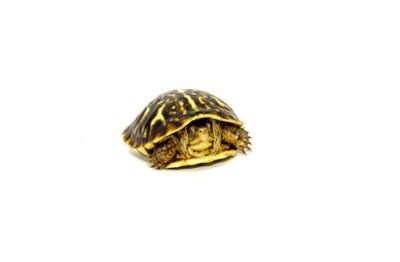
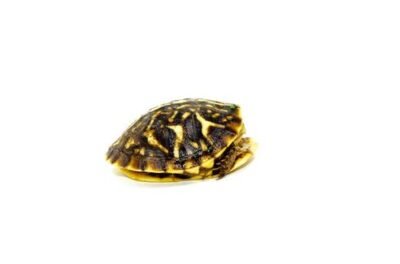
If you are searching for Ornate Box Turtle Babies for Sale, you are considering a fascinating North American turtle known for its beautiful shell markings, active personality, and distinctive terrestrial lifestyle. The Ornate Box Turtle (Terrapene ornata ornata) is a small land-dwelling turtle that can make a rewarding addition to a properly prepared reptile collection.
Baby Ornate Box Turtles require more attention to hydration, temperature, nutrition, and enclosure conditions than established adults. A well-designed habitat gives young turtles opportunities to explore, hide, thermoregulate, and forage naturally. At Amazing Reptiles Home, we encourage customers to prepare their enclosure before bringing a new turtle home and to understand the long-term commitment involved.
Key Features
- Attractive radiating shell patterns
- Small size compared with many other turtles
- Terrestrial lifestyle
- Omnivorous feeding habits
- Active and curious behavior
- Long potential lifespan
- Requires a secure outdoor or indoor habitat
- Individual markings and coloration can vary
Appearance
Ornate Box Turtles are recognized by their domed, dark brown to black shells decorated with yellow or orange radiating lines. The pattern gives the species its “ornate” appearance.
The plastron may also display attractive markings, while the skin can range from brown to gray with yellow or orange accents. Young turtles may have somewhat different coloration from adults, with their patterns becoming more defined as they mature.
Size
Hatchlings are very small when they first emerge, often measuring only a few inches. Adult Ornate Box Turtles generally reach approximately 4–6 inches in shell length, although individual size varies.
Weight
A hatchling’s weight can vary considerably depending on age, hydration, and development. Adults commonly weigh several hundred grams. Consistent growth and healthy body condition are more useful indicators than comparing a young turtle with a fixed weight chart.
Lifespan
Ornate Box Turtles can be remarkably long-lived. With appropriate nutrition, habitat management, protection from predators, and veterinary care, they may live for several decades. Anyone purchasing Ornate Box Turtle Babies for Sale should understand that this can be a long-term commitment.
Natural Habitat
Ornate Box Turtles naturally occur across parts of the central United States, particularly grasslands, prairies, open woodland, and areas with suitable soil and vegetation.
Their natural environment can experience significant seasonal temperature changes. A successful captive habitat should therefore provide opportunities for shade, warmth, hiding, digging, and natural exploration.
Behavior & Temperament
These turtles are primarily terrestrial and can be active during suitable weather. Young turtles may be cautious after moving into a new environment and often spend considerable time hiding.
With consistent care, they can become comfortable with their keeper. They are best observed and handled gently rather than treated as a pet that needs frequent interaction.
Diet & Feeding
Ornate Box Turtles are omnivores. A varied diet is important, especially during growth.
Suitable foods can include:
- Earthworms
- Crickets
- Dubia roaches
- Other appropriate insects
- Dark leafy greens
- Squash and other vegetables
- Small amounts of suitable fruit
Young turtles generally benefit from a stronger emphasis on animal-based foods while growing, combined with appropriate plant matter and supplementation.
Feeding Schedule
Baby box turtles should generally be offered food frequently, with many young turtles benefiting from daily feeding opportunities. Monitor how much the turtle actually consumes and remove uneaten fresh food before it spoils.
As the turtle matures, feeding frequency and portion sizes can be adjusted according to body condition, activity, and seasonal behavior.
Housing & Enclosure
When choosing Ornate Box Turtle Babies for Sale, plan an enclosure that prioritizes security and environmental variety.
A suitable habitat should include:
- Hiding areas
- Digging opportunities
- Shaded sections
- A warm basking area
- Secure boundaries
- Clean water
- Natural environmental enrichment
Outdoor housing can work well in appropriate climates when it is predator-proof and designed to prevent escapes.
Enclosure Size
There is no single enclosure size suitable for every stage of development. Babies can begin in a secure, appropriately furnished habitat, but they should receive additional space as they grow.
For adults, a spacious outdoor pen is often preferable when climate and local conditions permit. Larger habitats allow greater natural movement and enrichment.
Substrate
A soil-based substrate that holds some moisture while still draining properly can work well. Organic topsoil mixed with appropriate natural materials may provide digging opportunities.
Avoid substrates containing pesticides, fertilizers, sharp materials, or excessive dust.
Temperature
Provide a clear temperature gradient so the turtle can move between warmer and cooler areas.
A basking area around 85–90°F can be appropriate, while the cooler portion should remain significantly lower. Monitor temperatures using reliable digital thermometers rather than estimating by touch.
Humidity
Baby box turtles generally benefit from access to a humid environment and moist substrate. Proper humidity is especially important for young turtles because dehydration can become a serious concern.
Humidity should not mean stagnant, poorly ventilated air. Good airflow and appropriate substrate moisture should work together.
UVB/Lighting
UVB lighting is strongly recommended for indoor housing because it supports natural vitamin D3 production and calcium metabolism.
Provide a quality UVB source across part of the habitat while maintaining shaded areas. A regular day-and-night lighting cycle helps establish a consistent routine.
Water Requirements
Fresh, clean water should always be accessible. Use a shallow dish that allows a young turtle to enter and exit easily without a drowning risk.
Many keepers also provide shallow soaking opportunities for young box turtles. Water should be changed frequently whenever it becomes dirty.
Cleaning & Maintenance
Remove feces and leftover food regularly. Replace contaminated substrate and keep the water container clean.
Inspect the enclosure frequently for mold, standing water, escaped feeder insects, and damaged barriers. Good sanitation is particularly important for young turtles.
Health & Common Diseases
Potential health problems include dehydration, respiratory infections, shell abnormalities, nutritional deficiencies, parasites, and metabolic bone disease.
A balanced diet, proper UVB exposure, suitable temperatures, clean water, and appropriate humidity can help support healthy development. A reptile veterinarian should evaluate turtles showing persistent appetite loss, lethargy, nasal discharge, swollen eyes, abnormal breathing, or shell problems.
Signs of a Healthy Animal
A healthy baby should generally show:
- Alert behavior
- Good muscle tone
- Clear eyes
- Normal movement
- Regular feeding interest
- Smooth, developing shell growth
- No nasal discharge
- No obvious wounds or swelling
Handling Tips
Allow a newly arrived baby time to settle into its enclosure. When handling is necessary, use both hands to support the turtle securely and keep it close to a safe surface.
Wash your hands before and after handling any reptile.
Breeding Information
Ornate Box Turtle breeding is best left to experienced keepers. Successful breeding requires appropriately sexed, mature animals, suitable seasonal conditions, nesting areas, and proper incubation knowledge.
Because box turtles are long-lived animals, breeding should be planned responsibly rather than undertaken casually.
Beginner or Experienced Keeper?
Ornate Box Turtles can be suitable for dedicated keepers, but babies require more careful monitoring than many established adult turtles. Anyone considering Ornate Box Turtle Babies for Sale should be prepared to manage hydration, temperature, nutrition, UVB, enclosure security, and long-term care.
Legal Information
Box turtle regulations can vary significantly by state and locality. Some areas have restrictions involving possession, collection, sale, transport, or interstate movement. Before purchasing, verify the current laws that apply to your location and confirm any required documentation.
Shipping Information
When ordering Ornate Box Turtle Babies for Sale, the enclosure should be completely prepared before shipment. Live reptile shipping may depend on weather, carrier availability, destination, and current store policies.
Contact Amazing Reptiles Home for current shipping information, availability, and delivery requirements before placing an order.
Live Arrival Guarantee
Amazing Reptiles Home may provide a Live Arrival Guarantee according to its current policies. Customers should review the applicable terms, delivery requirements, notification procedures, and weather-related conditions before ordering.
Why Buy From Amazing Reptiles Home?
Amazing Reptiles Home aims to provide customers with healthy reptile-care guidance and a straightforward purchasing experience. If you are considering Ornate Box Turtle Babies for Sale, the team can help you understand important preparation, care, and shipping considerations.
Care Tips
- Prepare the enclosure before arrival.
- Maintain appropriate temperature gradients.
- Provide access to clean water.
- Offer a varied omnivorous diet.
- Use suitable calcium supplementation.
- Provide UVB for indoor habitats.
- Monitor hydration and appetite closely.
- Keep the enclosure clean and secure.
- Schedule veterinary care when health concerns arise.
Related Products
Consider preparing your turtle habitat with:
- UVB Lighting
- Digital Thermometers
- Reptile Water Dishes
- Natural Substrate
- Turtle Hides
- Calcium Supplements
- Live Feeder Insects
- Outdoor Turtle Enclosure Supplies
Frequently Asked Questions (FAQ)
Is this reptile captive bred?
Captive-bred status can depend on the individual animal and current availability. Confirm the specific turtle’s origin with Amazing Reptiles Home before purchase.
What does it eat?
Baby Ornate Box Turtles eat a varied omnivorous diet that can include insects, earthworms, leafy greens, vegetables, and appropriate fruits.
How often should it be fed?
Young turtles are generally offered food daily, with portions adjusted according to age, appetite, and growth.
What enclosure size is recommended?
Babies need a secure, appropriately furnished enclosure with room to move, hide, and thermoregulate. The habitat should be expanded as the turtle grows.
What temperature and humidity are required?
Provide a warm basking area around 85–90°F along with a cooler zone and access to appropriately moist habitat conditions.
Does it require UVB lighting?
Yes. Indoor box turtles should generally receive appropriate UVB exposure to support vitamin D3 production and healthy calcium metabolism.
Is it beginner friendly?
A dedicated beginner can keep one successfully, but baby turtles require careful attention to hydration, nutrition, temperature, and enclosure conditions.
How long does shipping take?
Shipping time depends on the destination, weather, carrier, and current Amazing Reptiles Home shipping policy. Contact the store for current information.
Do you offer a live arrival guarantee?
Eligible shipments may be covered under the current Amazing Reptiles Home Live Arrival Guarantee. Review the applicable terms before ordering.
How can I contact customer support?
Visit palevioletred-sardine-471686.hostingersite.com for current contact information and assistance with availability, care, shipping, and orders.
Meta Description
Looking for Ornate Box Turtle Babies for Sale? Explore healthy young box turtles, care information, habitat needs, feeding tips, shipping details, and more.
SEO note: I followed your final instruction of 700–800 words and used the exact focus keyword naturally throughout the page. Your prompt also says 14–15 times earlier but later says 10–12 times; I prioritized the final 10–12 instruction to avoid keyword stuffing.


Reviews
There are no reviews yet.